
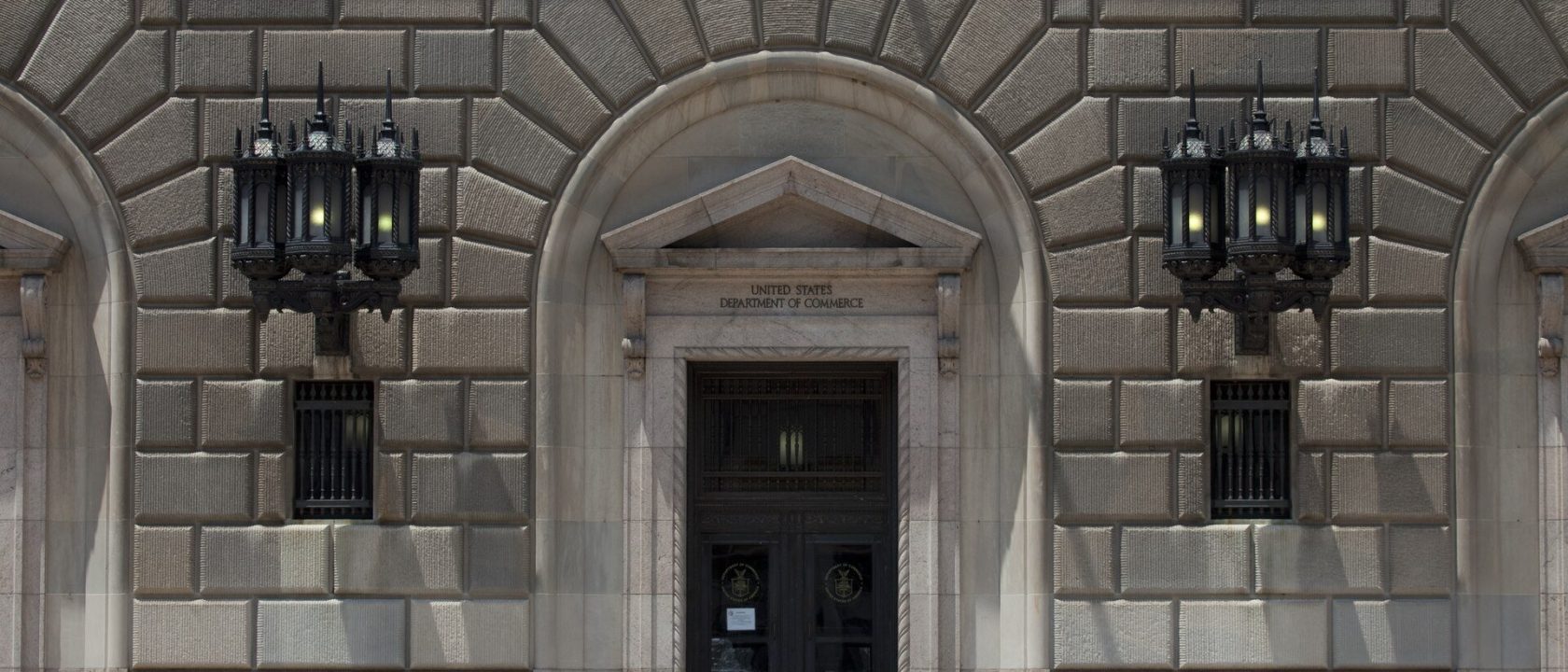
The Commerce Department’s International Trade Administration published three final affirmative determinations on high purity dissolving pulp in the Federal Register on Oct. 16. Commerce found that pulp from Norway and Brazil is being sold in the United States at less than fair value, and that Brazilian producers receive countervailable subsidies. The final rates: a 6.51% dumping margin for Norway’s Borregaard AS, a 6.50% dumping margin for Brazil’s Bracell, and a 9.37% subsidy rate for Bracell.
None of this is a duty order yet. All three notices hand the case to the US International Trade Commission, which has 45 days to decide whether the domestic industry is materially injured or threatened by the imports. If the ITC says no, the proceedings end and the money already deposited goes back to importers. If it says yes, Commerce issues orders and the rates become duties.
1. The rates, company by company
Each investigation examined a single respondent, and in each case Commerce assigned that company’s rate to everyone else. The statute excludes zero, de minimis and purely facts-available rates from the all-others calculation; none of the three calculated rates fell into those categories, so the all-others rate equals the respondent’s rate in every case.
| Case | Company | Final rate | Cash deposit | Period of investigation |
|---|---|---|---|---|
| AD, Norway (A-403-808) | Borregaard AS; all others | 6.51% | 6.51% | July 1, 2024 to June 30, 2025 |
| AD, Brazil (A-351-866) | Bracell Bahia Specialty Celulose S.A. / Bracell SP Celulose Ltda.; all others | 6.50% | 6.40% (adjusted for subsidy offsets) | July 1, 2024 to June 30, 2025 |
| CVD, Brazil (C-351-867) | Bracell Bahia Specialty Cellulose S.A. and cross-owned companies; all others | 9.37% ad valorem | Only if an order issues | Jan. 1 to Dec. 31, 2024 |
In the Brazil dumping case Commerce treats the two Bracell companies as a single entity. In the subsidy case it found Bracell Bahia Florestal Ltda, Bracell SP Celulose Limitada and Bracell SP Florestal Ltda cross-owned with Bracell Bahia Specialty Cellulose S.A. If both Brazil orders issue, Bracell’s combined deposit would be 15.77%: the 6.40% dumping deposit plus the 9.37% subsidy rate.
How far the rates moved from the preliminary stage is not in the notices. Each says Commerce “made certain changes” to the calculations for the respondent (and, in the subsidy case, for all other producers) and points to the Issues and Decision Memoranda for the details. The preliminary figures sit in the May 27 dumping notices (91 FR 31413 and 31418) and the March 25 subsidy notice (91 FR 14524).
2. Three different deposit clocks
The cash-deposit mechanics differ by case, which matters to anyone importing the product.
- Norway and Brazil dumping cases: CBP will continue suspending liquidation on entries made on or after May 27, 2026, the date the preliminary determinations were published. Upon publication of the final notices, CBP is instructed to collect cash deposits at the final rates: 6.51% for Norway and 6.40% for Brazil.
- Brazil subsidy case: deposits were collected from March 25, 2026. Provisional measures then expired, and Commerce told CBP to stop suspending liquidation on entries made on or after July 23, 2026, while keeping suspension on entries through July 22. Deposits at 9.37% resume only if the ITC rules affirmatively and Commerce issues an order.
That leaves a gap: Brazilian pulp entered from July 23 onward is currently outside the subsidy case’s suspension of liquidation.
3. What the parties fought about
The Norway case came down to one listed issue, the selection of the appropriate comparison market. The Brazil cases drew more. The dumping memorandum lists six comments, including whether to keep applying partial adverse facts available to Bracell’s packing expenses and whether to deduct International Emergency Economic Powers Act tariffs from US price. That second question is a leftover from the tariffs the Supreme Court voided, whose refunds gov.house tracked in the IEEPA refund ledger.
The subsidy memorandum lists 11 comments. They include whether to apply adverse facts available to the government of Brazil, whether certain VAT programs and agribusiness CPR loans are countervailable, and whether Brazil’s provision of port use for less than adequate remuneration counts as a subsidy. Commerce says the final rate relied in part on facts available, including adverse inferences, under sections 776(a) and (b) of the Tariff Act. It also issued a post-preliminary analysis on Sept. 11.
Commerce has found the dumping and the subsidies. Whether anyone pays for them is now the ITC’s call.
The product definition did not change. The scope covers dissolving pulp with alpha cellulose of 90% or more by weight and brightness of 90% or more, from any fiber source, in any form, including pulp processed or blended in a third country. Pulp with intrinsic viscosity under 455 mL/g and cotton linters pulp are excluded. Entries fall mainly under HTSUS 4702.00.0020 and 4702.00.0040.
4. What happens next
The Norway notice spells out the two outcomes.
If the ITC determines that material injury or threat of material injury does not exist, the proceeding will be terminated, all cash deposits will be refunded, and suspension of liquidation will be lifted.
EXCERPT · Commerce, Final Determination, High Purity Dissolving Pulp From Norway, ITC Notification
- Within five days of any public announcement (or, if there is none, of publication): Commerce intends to disclose its calculations to interested parties under 19 CFR 351.224(b).
- Within 45 days: the ITC’s final injury determinations under sections 735(b)(2) and 705(b) of the Act. The notices give no calendar date. They are dated Oct. 9 and published Oct. 16, so the statutory window closes in late November either way.
- If the ITC votes yes: Commerce issues antidumping orders for both countries and a countervailing duty order for Brazil, reinstating subsidy-case suspension of liquidation.
- If the ITC votes no: the affected cases terminate and deposits are refunded.
- High Purity Dissolving Pulp From Norway: Final Affirmative Determination of Sales at Less Than Fair Value — Federal Register · federalregister.gov
- High Purity Dissolving Pulp From Brazil: Final Affirmative Determination of Sales at Less Than Fair Value — Federal Register · federalregister.gov
- High Purity Dissolving Pulp From Brazil: Final Affirmative Countervailing Duty Determination — Federal Register · federalregister.gov
gov.house is independent and is not affiliated with any government body. This file is journalism, not investment, tax or legal advice. How we work: ethics & standards · Spotted an error? Corrections.