
Consumer prices rose 0.6 percent in September, seasonally adjusted, after a 0.4 percent gain in August, the Bureau of Labor Statistics reported Wednesday morning. Over 12 months the index is up 3.7 percent, up from 3.4 percent in August.
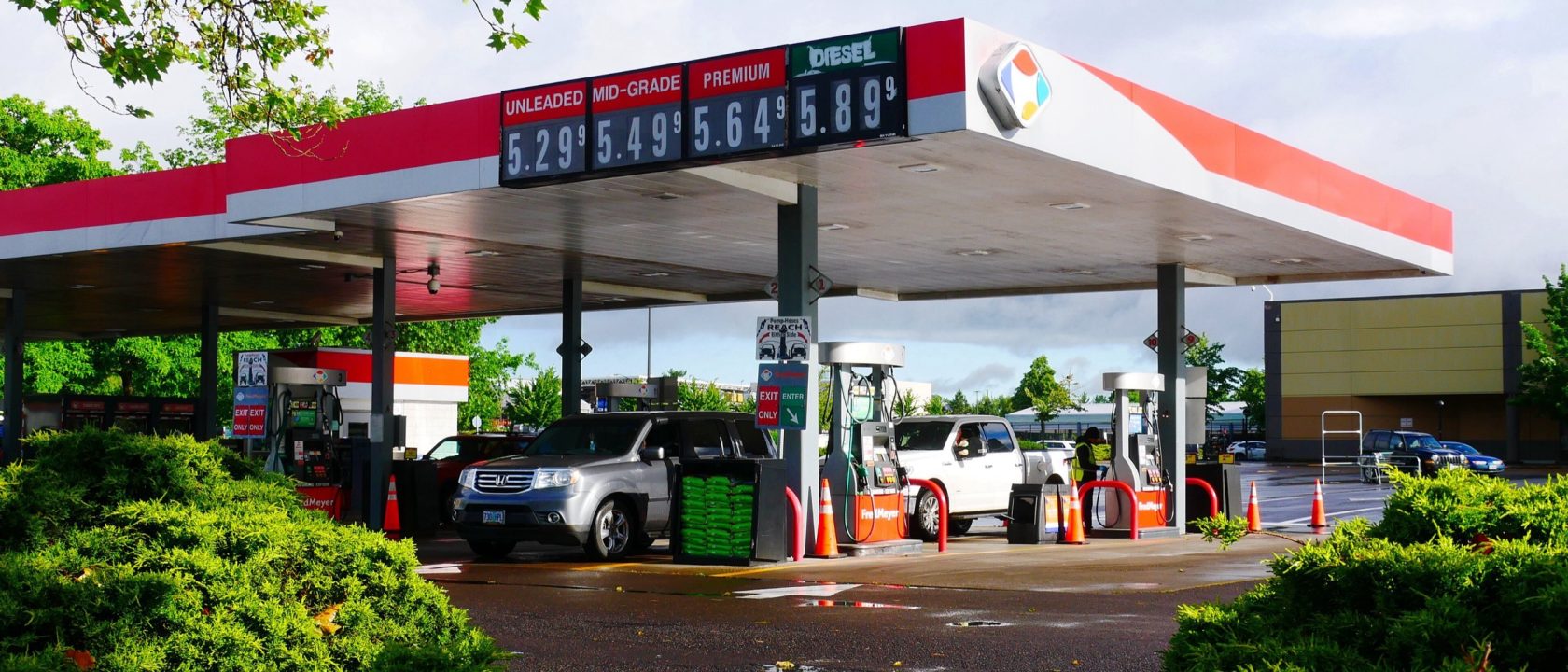
The headline is an energy story. Gasoline alone rose 9.1 percent in the month and accounted for more than half the increase. Strip out food and energy and prices rose 0.3 percent, the same as in August. That split matters because the Federal Reserve raised rates on Sept. 16 citing elevated inflation, and it meets again on Oct. 27–28.
1. What the release says
The BLS summary is unusually blunt about where the pressure came from:
The Consumer Price Index for All Urban Consumers (CPI-U) increased 0.6 percent on a seasonally adjusted basis in September after rising 0.4 percent in August, the U.S. Bureau of Labor Statistics reported today. Over the last 12 months, the all items index increased 3.7 percent before seasonal adjustment. The index for gasoline rose 9.1 percent in September, accounting for over half of the monthly all items increase.
EXCERPT · BLS, Consumer Price Index – September 2026, release of Oct. 14, 2026
Energy as a whole rose 5.2 percent in the month and 20.4 percent over the year. Gasoline is up 34.2 percent from September 2025, compared with 27.4 percent a month earlier. Fuel oil, the heating and diesel-adjacent line, is up 74.2 percent over 12 months.
| Index | Sept. m/m (SA) | 12-month (NSA) |
|---|---|---|
| All items | +0.6% | +3.7% |
| Energy | +5.2% | +20.4% |
| Gasoline (all types) | +9.1% | +34.2% |
| Fuel oil | +15.3% | +74.2% |
| Electricity | +0.2% | +4.4% |
| Food | 0.0% | +2.5% |
| Food at home | -0.1% | +1.8% |
| All items less food and energy | +0.3% | +2.6% |
| Shelter | +0.4% | +3.2% |
| Transportation services | +0.6% | +2.7% |
| Used cars and trucks | +0.7% | -1.5% |
| Medical care services | +0.3% | +2.5% |
Groceries were the quiet line. Food at home slipped 0.1 percent, with dairy and meats lower, and is up just 1.8 percent over the year. Restaurant prices (food away from home) are up 3.5 percent, roughly in line with services generally.
2. Core: steady, not cooling
Core CPI rose 0.3 percent for a second straight month. The 12-month core rate moved up to 2.6 percent from 2.4 percent in August, even though the monthly pace did not change. The year-over-year figure depends on what dropped out from 2025 as much as on what came in.
Inside core, the BLS lists increases in shelter, recreation, used cars, education, airline fares, medical care and apparel, with communication the main decliner. Shelter rose 0.4 percent after 0.3 percent; owners’ equivalent rent rose 0.3 percent and rent of primary residence 0.2 percent. Airline fares rose 1.2 percent and are up 22.4 percent over the year, which looks like jet fuel costs leaking into the core index through the side door.
Headline inflation is an oil shock. Core inflation is a steady 0.3 percent a month, which annualizes to roughly 3.6 percent and is not nothing.
That last point is the hawks’ best argument. Two consecutive 0.3 percent core prints are faster than the Fed’s 2 percent target implies, even if the 12-month figure looks tame. Doves will counter that a supply shock in fuel is exactly the kind of price move monetary policy is poorly suited to fix.
3. The paycheck problem
The companion Real Earnings release put a number on the squeeze. Real average hourly earnings for all employees fell 0.5 percent from August to September, and are down 0.7 percent from September 2025, because nominal pay rose 0.1 percent in the month while prices rose 0.6 percent.
The CPI-W, the index for wage earners and clerical workers, rose 3.9 percent over the year, faster than the all-urban index because commuting fuel weighs more heavily in that basket. The CPI-W matters beyond the statistics office: its third-quarter average sets the annual cost-of-living adjustment for Social Security benefits. The chained CPI-U, which accounts for consumers switching products, rose 3.5 percent.
4. What it means for the Fed
The FOMC raised the federal funds target range by a quarter point to 3.75–4.00 percent on Sept. 16, in a 12–0 vote. Its statement said “Inflation remains elevated” and that the move would “support a timelier return to the Committee’s 2 percent goal.” The September projections put the median for 2026 headline PCE inflation at 3.7 percent and core PCE at 3.4 percent, fourth quarter over fourth quarter.
The more likely reading of Wednesday’s report is that it gives neither side a clean win. Headline inflation confirms the hike was not imagined; core says the second-round effects are contained so far. Weekly retail gasoline data from the Energy Information Administration showed regular at $4.331 a gallon on Oct. 12, down from $4.465 on Sept. 28, which hints that October’s energy line could give some of September’s jump back.
5. What to watch
- Oct. 28, 2:00 p.m. ET: FOMC decision. No new projections at this meeting.
- Oct. 29, 8:30 a.m. ET: BEA’s September Personal Income and Outlays, including the PCE price index the Fed actually targets, alongside the advance Q3 GDP estimate.
- Nov. 6: October jobs report, which will show whether the wage squeeze is deepening.
- Nov. 10, 8:30 a.m. ET: October CPI. The first test of whether September’s gasoline spike reverses.
- Consumer Price Index – September 2026 — Bureau of Labor Statistics · bls.gov
- Real Earnings – September 2026 — Bureau of Labor Statistics · bls.gov
- FOMC statement, September 16, 2026 — Federal Reserve Board · federalreserve.gov
- Summary of Economic Projections, September 2026 — Federal Reserve Board · federalreserve.gov
- Gasoline and Diesel Fuel Update — U.S. Energy Information Administration · eia.gov
- CPI release schedule — Bureau of Labor Statistics · bls.gov
gov.house is independent and is not affiliated with any government body. This file is journalism, not investment, tax or legal advice. How we work: ethics & standards · Spotted an error? Corrections.